
Which Are the Most Reliable Mini Vacuum Pump Brands in 2026? (OEM Selection Guide)
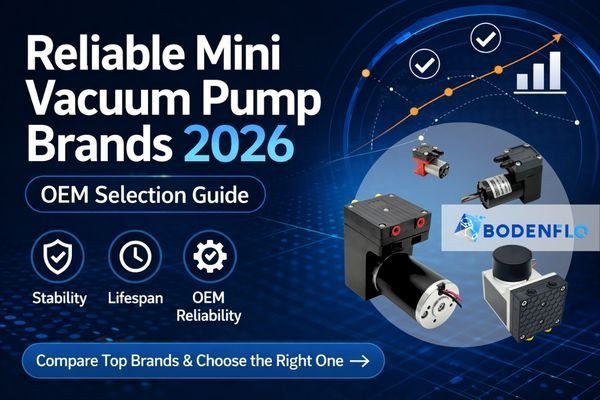
Choosing a cheap mini vacuum pump can lead to catastrophic device failures. These hidden costs of downtime, repairs, and reputation damage far outweigh any upfront savings. The most reliable mini vacuum pump brands for 2026 include KNF, Thomas, Parker, Schwarzer Precision, and BODENFLO, among others. Reliability is defined not just by brand name, but by […]
What Is the Best Way to Compare Micro Vacuum Pump Suppliers Beyond Price?

Struggling to choose a supplier and only looking at the price? This feels safe, but cheap pumps often lead to expensive failures, project delays, and unhappy customers. The best way is to evaluate suppliers on total value, not just unit price. This includes their technical support, quality consistency, customization ability, and export experience. This approach […]
How Different Gases Affect Micro Diaphragm Vacuum Pump Performance in Gas Sampling Systems?
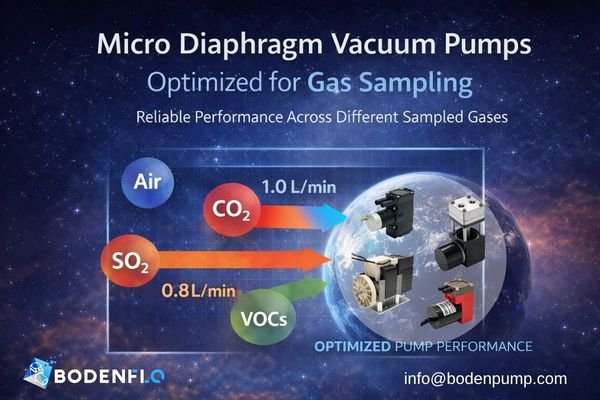
Your gas sampling system works perfectly with ambient air, but the moment you switch to CO₂ or VOCs, your flow rates drop and your readings become unstable? This is a common and frustrating problem. The issue is that different gases have unique physical properties. A vacuum pump calibrated for air will perform differently when pumping […]
What Happens When You Ignore Temperature in High-Pressure Micro Air Compressors Inside Enclosed Devices?

Your compressor performs perfectly on the bench but fails inside its enclosed device? Trapped heat is silently cooking your components, degrading performance and leading to premature system failure. Ignoring temperature causes the micro compressor to overheat. This increases electrical resistance, dropping pump efficiency and lowering both flow and pressure. Materials age faster, leading to a […]
Will Your Micro Air Pump Pass Certification? What OEMs Often Overlook
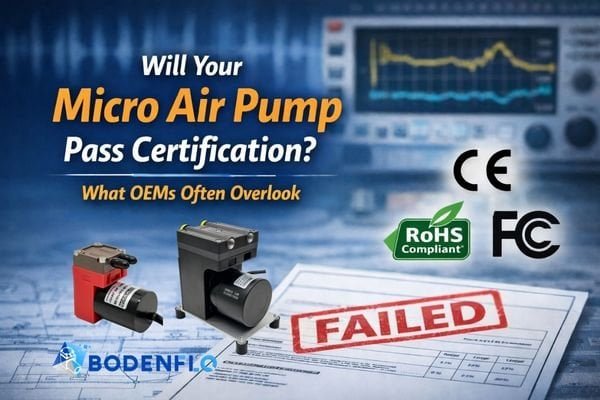
Your product is ready, the performance is stellar, but you just got devastating news: it failed certification because of the micro air pump. Now, you’re facing unexpected redesigns, costly re-testing, and massive project delays that put your launch date in jeopardy. A micro air pump fails certification not because its flow or pressure is wrong, […]
Why Does My Micro Diaphragm Liquid Pump Stop Working After Pumping Cleaning Liquid?
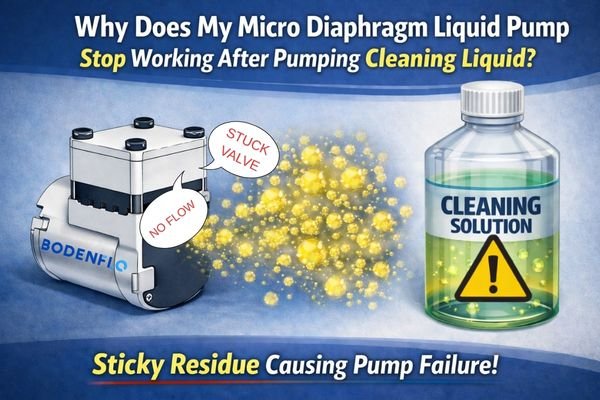
It’s a frustrating call I get often. A client’s new device is working perfectly, but after they run a cleaning cycle, the pump just stops. The whole system is down, and they’re scrambling for answers. From my 9+ years of experience, this problem almost always points to one culprit: sticky residue. Cleaning agents can leave […]
Why Does a 24V Brushed Air Pump Stall When Voltage Is Reduced?
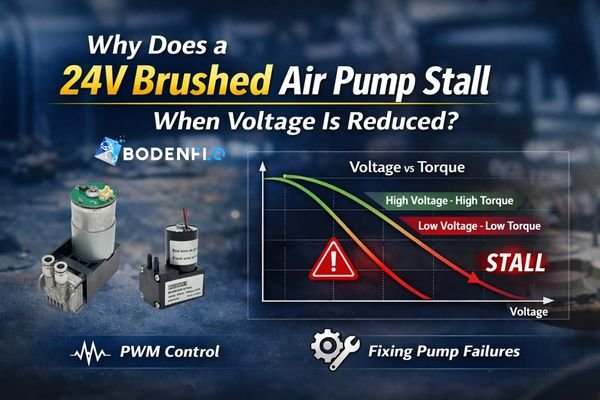
Your device stalls when you try to slow it down, ruining its function. You lowered the voltage, but now the pump chokes under load, causing frustrating failures. A 24V brushed motor’s torque is directly proportional to its voltage. Reducing voltage starves the motor of the power needed to overcome system backpressure and internal friction. This […]
How is a High-Performance Micro Diaphragm Pump Manufactured?
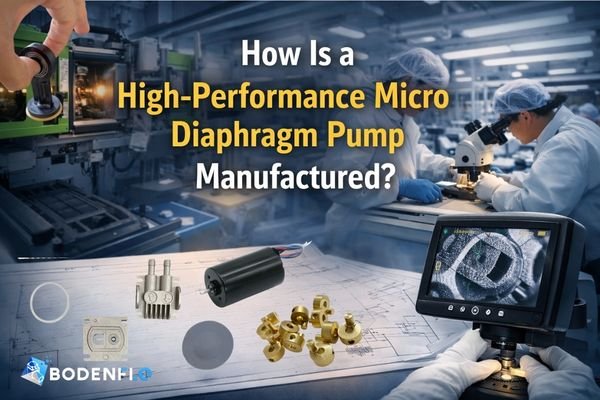
You’ve integrated a micro diaphragm pump, but it fails under load. Your vacuum readings are inconsistent, and project timelines are slipping. The pump is the problem, but the root cause is hidden. It starts with manufacturing. A high-performance micro diaphragm pump is built through a meticulous, multi-stage process. We achieve this with precision molding, rigorous […]
What Is the Best Micro Vacuum Pump for Lung Sampler Systems?
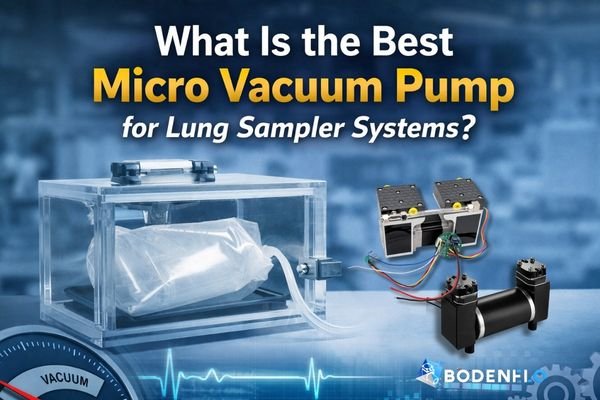
Your lung sampler system is slow, and you’re worried about sample integrity. From a project management perspective, choosing the wrong micro vacuum pump creates delays, budget overruns, and risks the entire success of your product launch. The best micro vacuum pump for a lung sampler is an oil-free diaphragm pump with a flow rate 2-3 […]
15 Questions a Micro Diaphragm Pump Manufacturer Will Ask to Ensure Your Project’s Success?

You’ve contacted a pump manufacturer with your "simple" request, but now you’re stuck in an endless email chain. This back-and-forth is wasting time, delaying samples, and putting your project timeline at risk. A good manufacturer asks these questions not just to sell a component, but to become your engineering partner. Preparing answers is the fastest […]
How is the Micro Pneumatic Pump Redefining the “Muscles” of Next-Generation Soft Robotics?

Rigid motors make your soft robots clunky and unsafe. This limits their use in human interaction, making your innovative designs impractical and hard for the market to adopt. Micro pneumatic pumps provide a compliant, lightweight alternative to motors. By using air to actuate soft limbs, engineers can create robots that are inherently safer, more organic […]
How to Choose a 5V Micro Vacuum Pump for a Small Air Chamber?
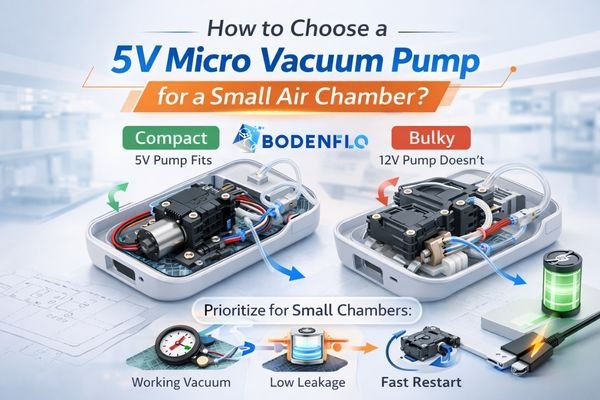
You need a 5V pump for your compact device, but the specs are overwhelming. The wrong choice leads to a noisy, oversized unit with poor battery life and unreliable performance. For a 5V micro vacuum pump in a small chamber, prioritize the working vacuum level, restart capability under load, and internal leak rate. Calculate the […]